
Anxiety: What It Is, Common Myths, and How It’s Diagnosed?
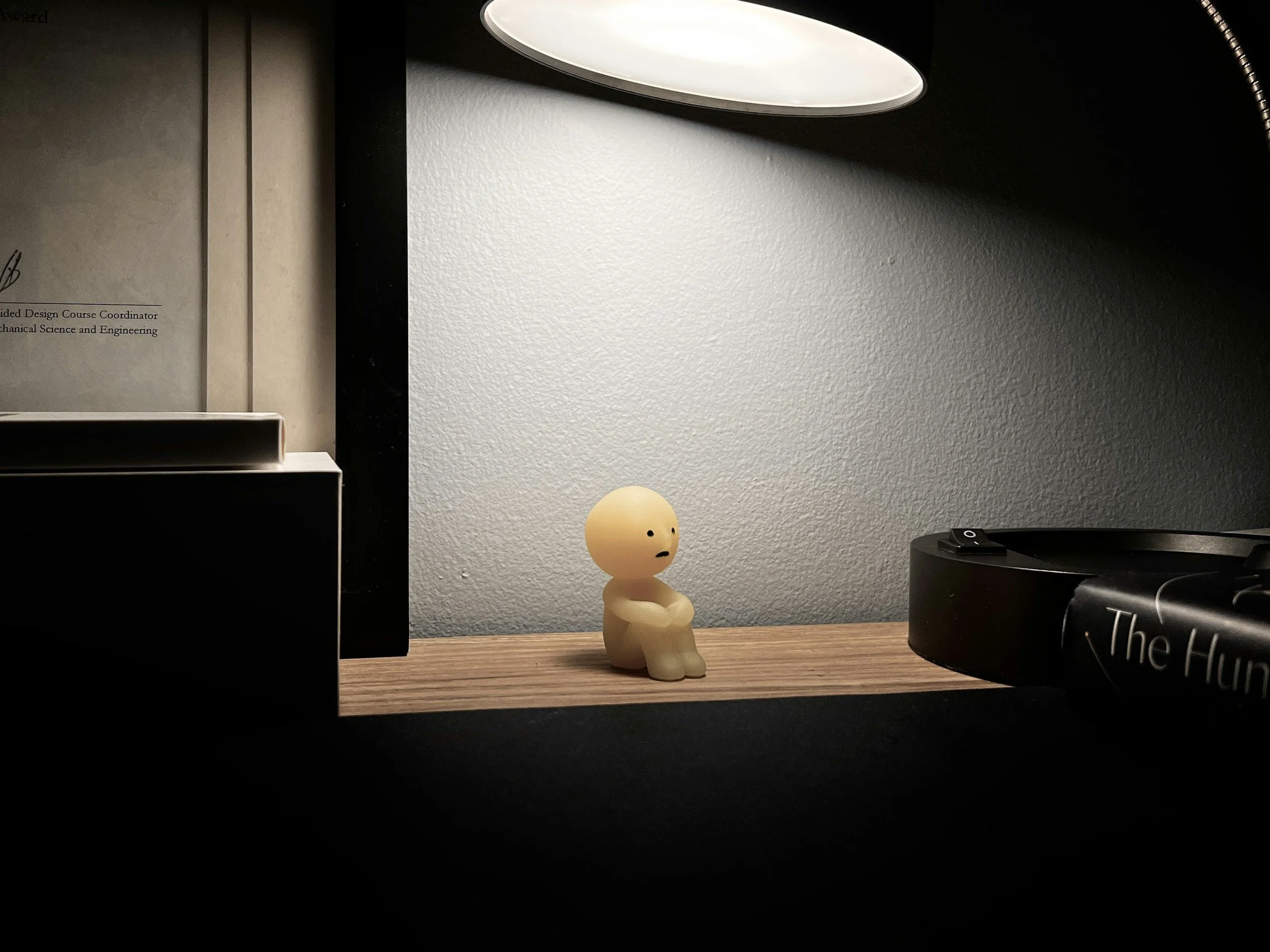
Anxiety is something most of us experience at times for example, before an interview, an exam, or a difficult conversation. But for many people, anxiety goes far beyond everyday worry.
When anxiety becomes persistent, overwhelming, or starts to interfere with daily life, it may be an anxiety disorder.
Understanding what anxiety really is, and how it’s diagnosed, can help reduce self-blame and make it easier to seek support.
What Is Anxiety?
Anxiety is a natural response to perceived threat or danger. It’s part of our body’s survival system and is designed to keep us safe.
However, for some people, this system becomes overactive, meaning the body responds as if there’s danger even when there isn’t. In today’s world, constant exposure to news, social media, and distressing information can make it harder for our nervous systems to settle, even when things are relatively okay in our own lives.
This can lead to ongoing feelings of fear, worry, tension, or unease that can feel difficult to switch off.
Anxiety can affect our:
Thoughts
Emotions
Physical sensations
Behaviour
And it can show up in many different ways.
Common Myths About Anxiety
Myth 1: “Anxiety is just stress.”
Stress is usually linked to external pressures and often eases when the situation changes. Anxiety can persist even when things seem “fine” on the outside, because it involves the nervous system staying in a heightened state of alert.
Myth 2: “There’s nothing to be anxious about.”
This belief assumes anxiety only makes sense when there is an obvious, immediate threat. In reality, anxiety is influenced by many factors. Constant exposure to news, social media, and distressing global events can keep the nervous system on high alert, even when someone is personally safe.
Being told there’s “nothing to worry about” can feel invalidating and doesn’t address what the body is responding to.
Myth 3: “People with anxiety just need to calm down.”
Anxiety isn’t a choice and can’t be switched off on command. When someone is anxious, their nervous system is already in survival mode. Understanding, support, and learning ways to feel safer are far more helpful than reassurance alone.
How is anxiety diagnosed?
Clinicians don’t diagnose anxiety based on one symptom or one bad week.
A diagnosis is usually made by a qualified professional (such as a GP, psychologist, or psychiatrist) using guidelines like the DSM-5 or ICD-10. In everyday terms, they are looking at:
Persistence: anxiety that has been present most days for several weeks or months
Intensity: worry or fear that feels hard to control
Impact: anxiety that interferes with daily life, work, relationships, or wellbeing
Symptoms: a combination of emotional and physical signs of anxiety
Importantly, diagnosis is not about “labelling”, it’s about understanding what’s going on so the right support can be offered.
What a Diagnosis Is and Isn’t
An anxiety diagnosis does not mean:
You’re weak or overreacting
You’re failing to cope
There’s something wrong with your personality
A diagnosis is simply a framework that can help people understand what’s happening and access the right kind of support.
And just like with depression, you don’t need a diagnosis to deserve help. If anxiety is taking up a lot of space in your life, that alone is reason enough to reach out.
The reality about anxiety
Anxiety is a real, valid experience and it exists on a spectrum.
It can be influenced by biology, life experiences, trauma, personality, stress, and the world around us. It doesn’t always make sense, and it doesn’t have to. Anxiety is not a personal failing, and you don’t need to justify why you feel the way you do.
With the right support, anxiety can become more manageable, and people can learn ways to feel safer and more grounded in their bodies and minds.
What Support Can Help?
Support for anxiety may include:
Talking therapy, such as CBT, ACT, or compassion-focused approaches
Learning about the nervous system and how anxiety works in the body
Gradual exposure and coping strategies, tailored to the individual
Medication, for some people can be helpful at managing symptoms of anxiety
Lifestyle and routine support, including sleep, movement, and boundaries
With the right support, anxiety can become more manageable, and life can start to feel bigger again.
If You’re in Crisis or Need Urgent Support
The Light Side is unable to provide crisis support. If you or someone you know is struggling right now, you don’t have to face it alone.
If you are in immediate danger or feel unable to keep yourself safe, please call 999 or go to your local A&E.
If you need urgent mental health support but it’s not an emergency:
NHS 111 (press 2)
You can access your local NHS urgent mental health helpline 24/7 for advice, support, and crisis care.Samaritans
Call 116 123 (free, 24/7)
Or email jo@samaritans.org
Available for anyone who needs to talk, about anything.Shout
Text SHOUT to 85258
Free, confidential text support 24/7 for moments of crisis.GP or Mental Health Team
If you’re under the care of a GP or mental health service, they can help you access urgent or ongoing support.
Reaching out for help in a crisis isn’t a sign of weakness — it’s a sign that you’re taking yourself seriously.
A Gentle Final Word
Anxiety is not a failure of logic or resilience.
It’s a nervous system doing its best to protect you, even when it’s exhausting.
With understanding and support, things can change.
At The Light Side, we offer compassionate, evidence-based psychological support. If you’d like to explore your options, we’re here.